
AUTOMOTIVE LUBRICANTS
Automotive Lubricants Manufacturer
LANVITO is an automotive lubricants manufacturer in Weifang, Shandong, China. Explore engine oils, gear oils and transmission fluids, and discuss formulation, private label and packaging requirements for your business.
PRODUCT SHOWCASE
Explore our automotive lubricant range.
Compare the product categories below and share the application, target specification and packaging requirements that matter to your business.
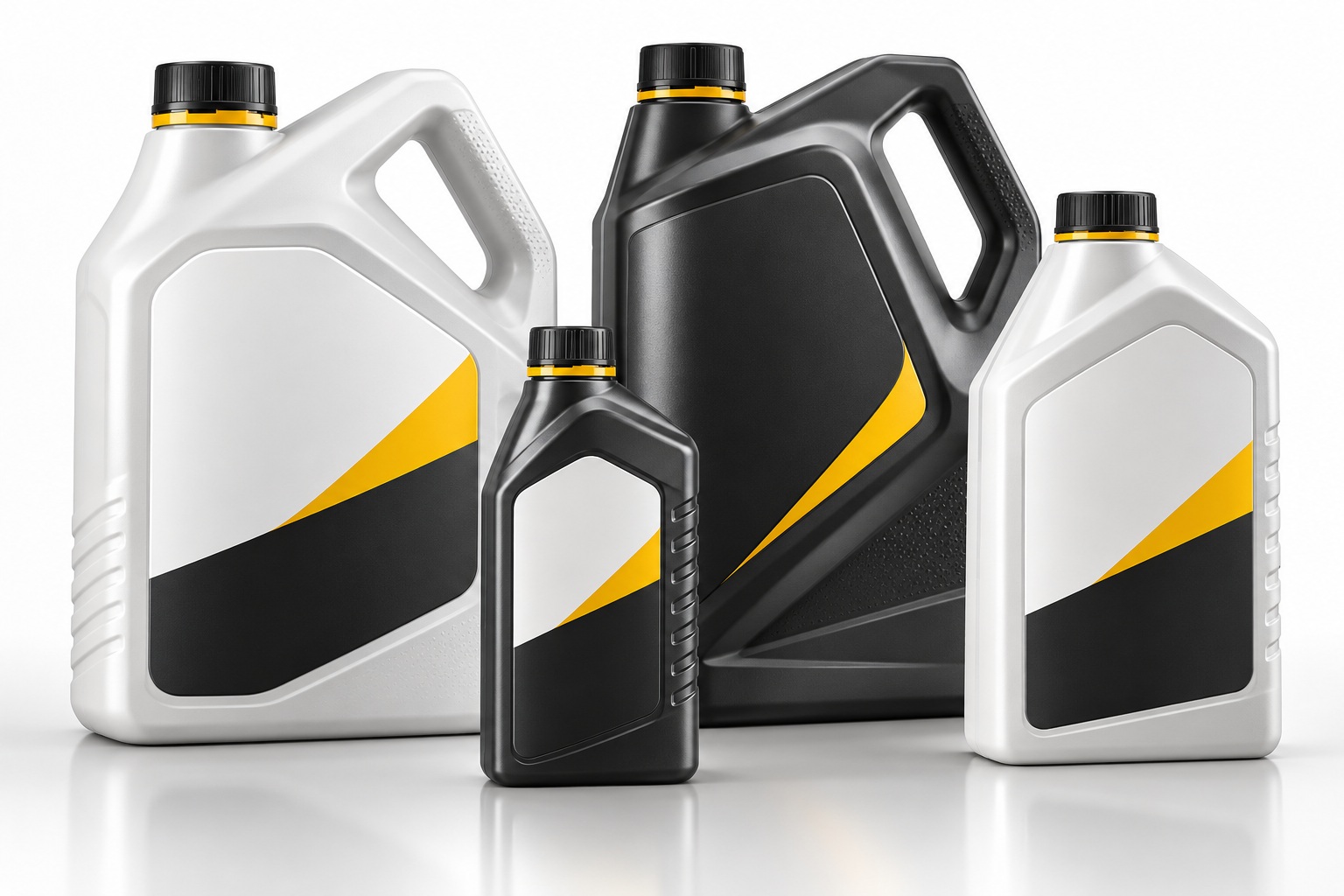
Engine Oils
Engine oil projects for your target vehicle market. Confirm the required viscosity, performance specification and label format.
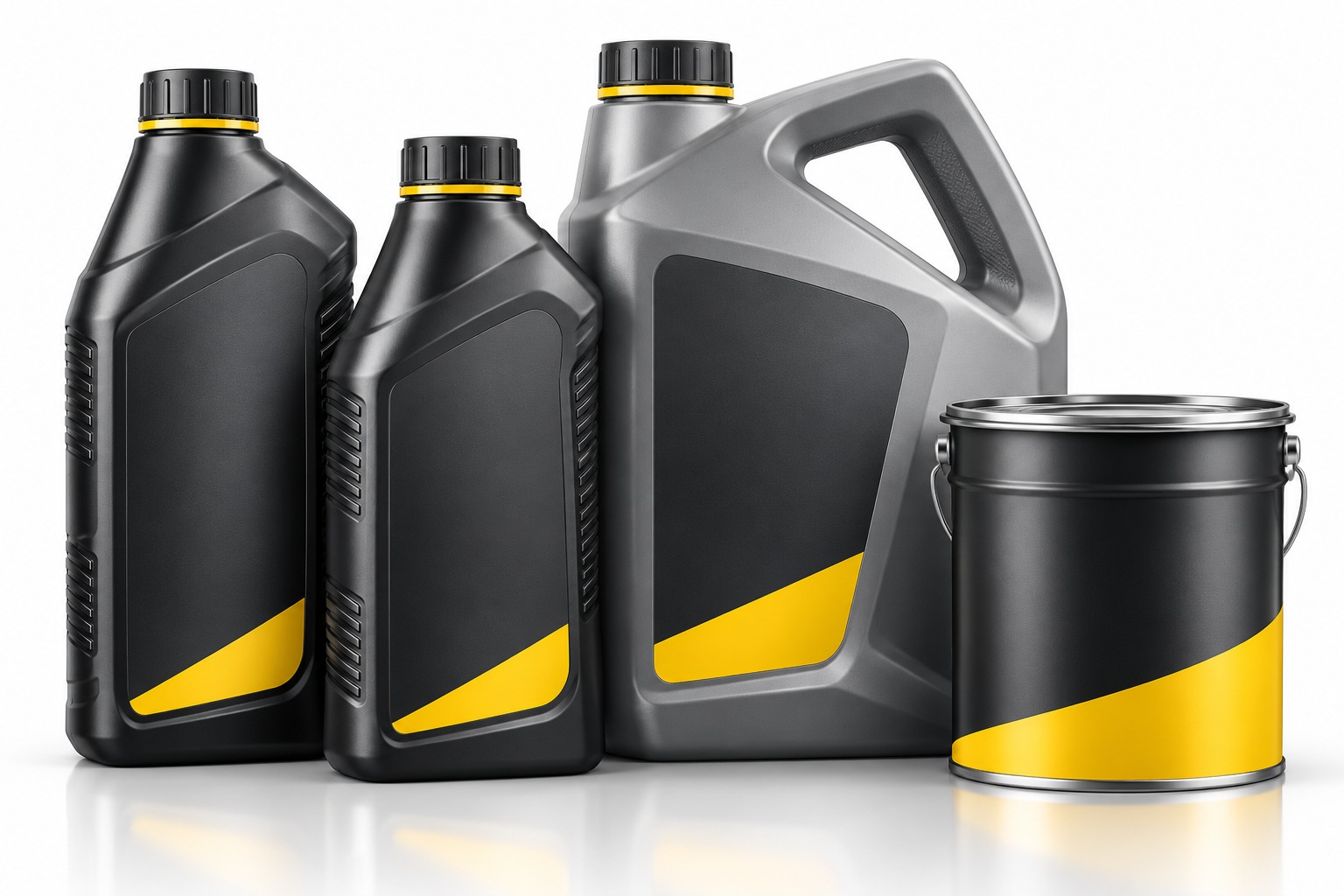
Gear Oils
Gear oil projects for gearbox and axle applications. Share the equipment requirement and operating conditions.
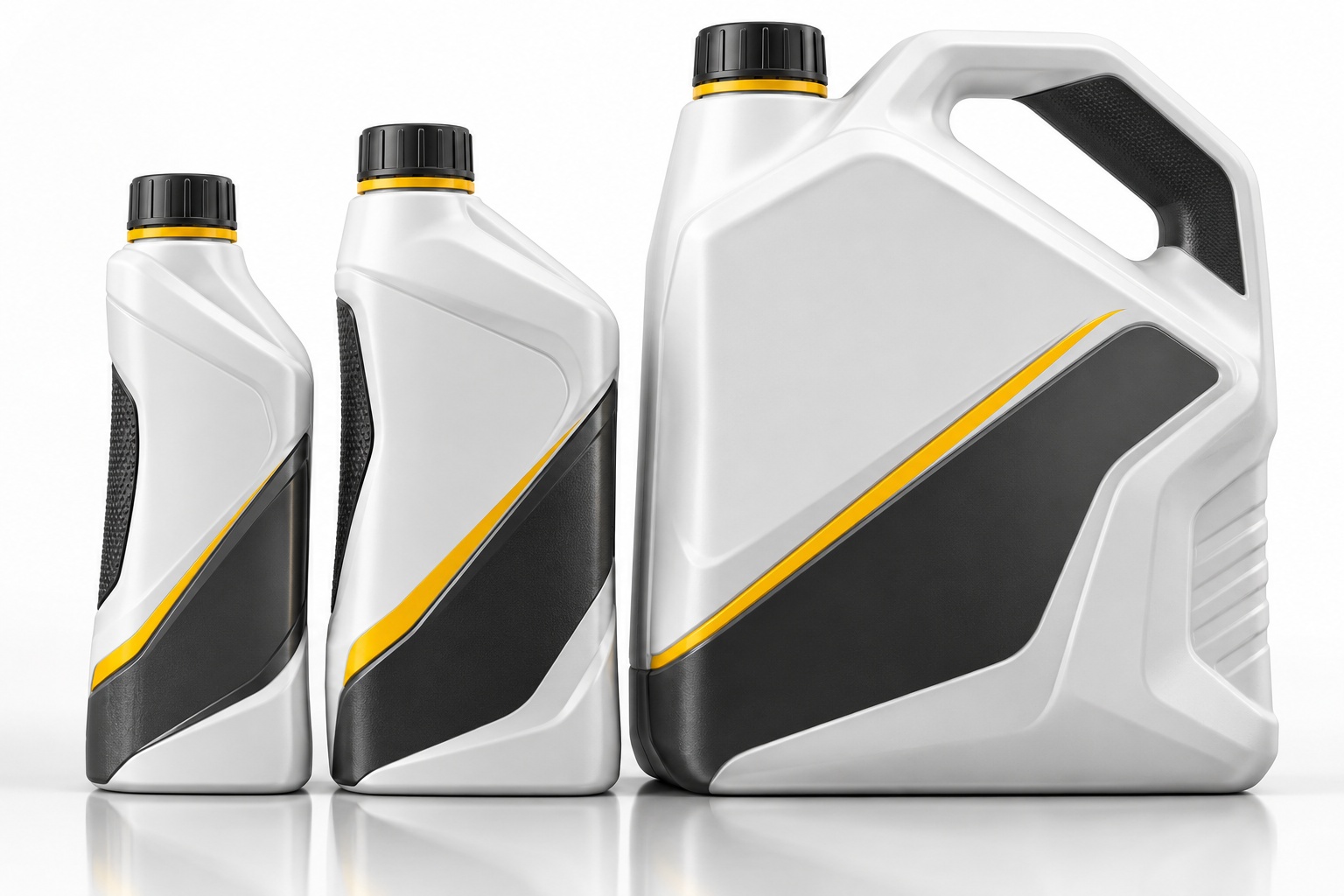
Transmission Fluids
Transmission fluid projects built around the identified transmission and fluid specification. Confirm compatibility during technical review.
Start with your application and requirements.
| Product Type | Application to Confirm | Information to Share |
|---|---|---|
| Engine Oils | Engine and vehicle type | Viscosity, target specification and packaging |
| Gear Oils | Gearbox or axle application | Equipment requirements and operating conditions |
| Transmission Fluids | Transmission type | Compatibility requirements and target specification |
Engine Oils
Application to confirm: Engine and vehicle type
Information to share: Viscosity, target specification and packaging
Gear Oils
Application to confirm: Gearbox or axle application
Information to share: Equipment requirements and operating conditions
Transmission Fluids
Application to confirm: Transmission type
Information to share: Compatibility requirements and target specification
Product specifications are confirmed for each project.
A quotation brief you can copy
Product type: ___ Vehicle/equipment and application: ___ Required viscosity and specification: ___ Estimated quantity: ___ Pack size and label: ___ Target market: ___ Delivery destination: ___
For bulk automotive lubricants, also specify the receiving container or delivery format, unloading requirements and documentation needed with the shipment.
Specify the lubricant before comparing quotations.
When comparing custom automotive lubricants, separate the application, viscosity and performance requirements. This gives the technical discussion and price comparison a clear starting point.
Engine oils: viscosity and performance
A viscosity grade describes flow characteristics; it does not by itself establish the required performance level. Specify the viscosity and the performance standard separately, using the vehicle or engine manufacturer’s recommendation.
Include in your brief: engine or vehicle model, fuel type, operating climate, required viscosity, API/ACEA category where specified, and any exact manufacturer specification or approval requirement. Share the existing product data sheet if available.
Gear oils: gearbox or axle?
Identify the lubricated component before comparing products: a manual gearbox, axle and differential can have different lubricant requirements. Provide the equipment manufacturer’s specified viscosity and performance requirement, rather than asking only for “gear oil”.
Include in your brief: gearbox or axle model, required specification, operating conditions and whether a limited-slip differential is involved. Ask for compatibility to be reviewed against the actual equipment requirement.
Transmission fluids: identify the unit
Start with the transmission design and its exact fluid specification. A conventional automatic, continuously variable transmission (CVT), dual-clutch unit and manual transmission should be identified separately in a procurement enquiry.
Include in your brief: vehicle make, model and year, transmission model or code, required fluid specification and the intended application. Fluid colour or a general “ATF” description is not enough to establish compatibility.

CUSTOM MANUFACTURING
Your brand. Your product requirements.
Formulation Requirements
Share your application, target properties and evaluation requirements for a custom automotive lubricant project.
Private Label & Packaging
Discuss private label automotive lubricants, your brand artwork, pack sizes and target market requirements.
Bulk Supply Planning
Provide expected quantities, packaging, delivery destination and documentation needs to define your bulk automotive lubricant project.
A clear path from enquiry to supply.
1
Share Requirements
Product type, application, specifications and quantities.
2
Technical Review
Discuss the formulation and supply scope.
3
Sample Evaluation
Agree evaluation conditions and acceptance criteria.
4
Supply Planning
Confirm packaging, documentation and delivery details.
Automotive Lubricant FAQs
Share the product type, vehicle or equipment application, target specifications, estimated quantity, packaging and delivery destination. If you have an existing product specification, include it for review.
Yes. Share your brand, target market, label artwork, packaging preferences and product requirements so the project scope can be discussed.
Sample arrangements, minimum quantities and supply timing depend on the product and customization scope. These details are confirmed individually for each project.
Provide the transmission type and the relevant equipment or vehicle manufacturer requirements. Product compatibility must be confirmed for the intended application.
No. Viscosity and performance requirements are separate checks. Start with the vehicle or engine manufacturer’s recommendation, then confirm the required viscosity, performance category and any manufacturer-specific requirement. A matching viscosity alone does not establish that two products are equivalent.
Use the technical data sheet (TDS) to review the product description, intended applications, stated specifications and typical physical properties. Use the safety data sheet (SDS) for handling, storage and safety information. Where batch documentation is required, agree the reported properties, test methods, acceptance limits and batch identification before ordering.
Compare products against the same application and agreed specification. Check the pack size, net fill, label requirements, quantity, delivery terms and documentation included in each quotation. Before evaluating a sample, agree what will be checked and how acceptance will be decided. Typical data-sheet values should not automatically be treated as contractual acceptance limits.
Let’s discuss your lubricant project.
Tell us about your product, specifications, quantities and customization requirements. LANVITO’s factory was established in 2012 in Weifang, Shandong, China.