
LANVITO · OILFIELD & SPECIALTY CHEMICALS
Oilfield Corrosion Inhibitors
Discuss custom corrosion inhibitor formulation and bulk supply for your oilfield system. Share fluid conditions, materials and treatment objectives to define your project.

Corrosion Control Starts with Your Operating Conditions
LANVITO is a manufacturer of custom oilfield and specialty chemicals and automotive lubricants. This page supports oilfield corrosion inhibitor enquiries from chemical distributors, service companies and industrial buyers.
Corrosion inhibitors are added to a fluid to reduce the corrosion rate of metals exposed to that environment. Selection depends on the fluid, metal and operating conditions; a product name alone does not establish suitability.
Define the Environment
Provide fluid and water analysis, temperature, pressure and relevant gas information.
Identify the Material
Specify the pipe or equipment metallurgy and the corrosion concern being investigated.
Agree the Evaluation
Set the performance objective, representative test conditions and acceptance criteria before comparing candidates.
Explore Corrosion Inhibitor Application Options
Start with the system you need to treat. These application routes guide an enquiry and may overlap. Exact products, formulation features and availability are confirmed during technical review.
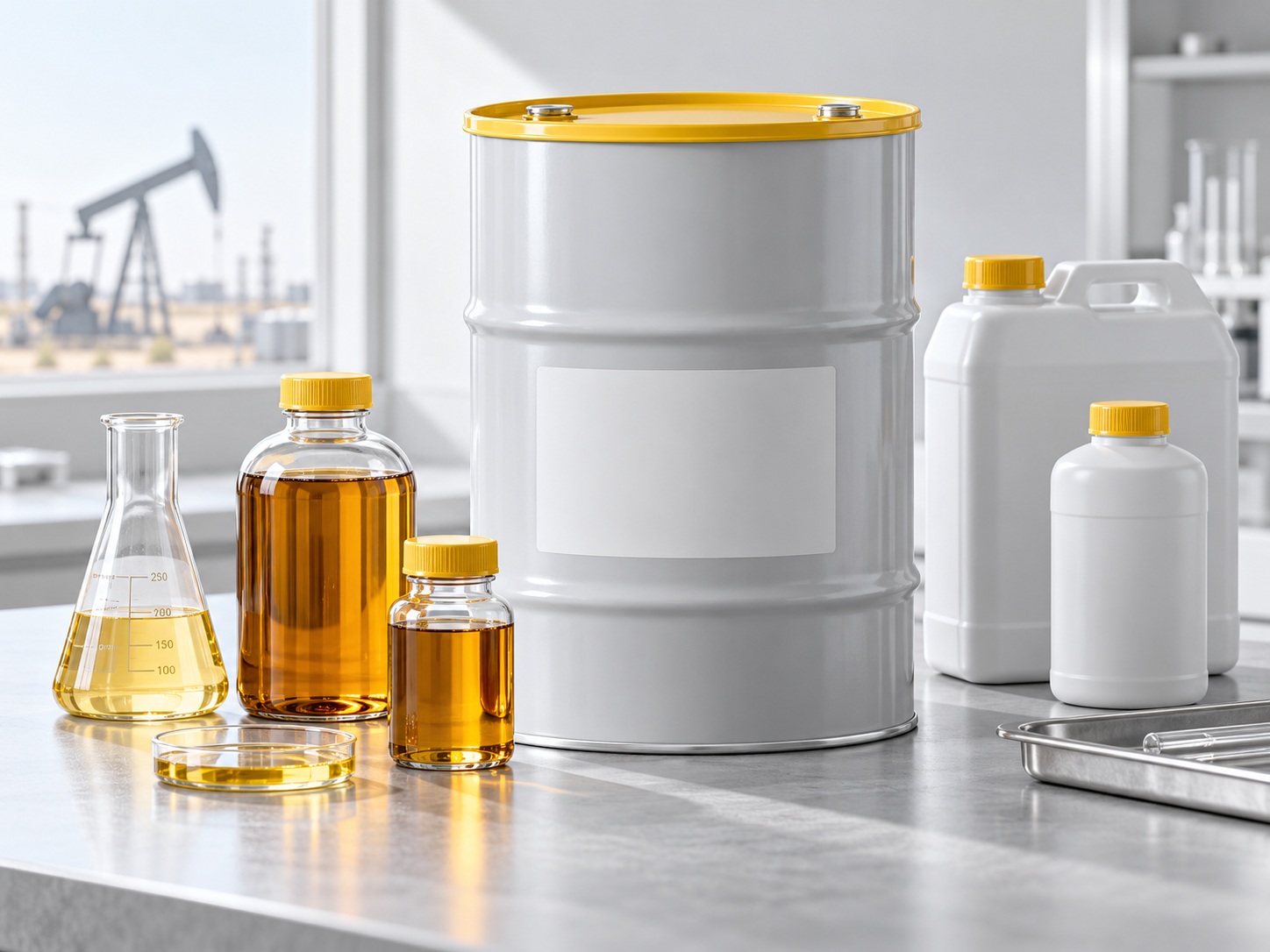
PRODUCTION FLUIDS
Production Corrosion Inhibitors
Discuss oil and gas production-fluid conditions, contact materials and the intended treatment objective.
Share: Fluid composition, water cut, temperature and relevant gas data.
Review: Candidate formulation and evaluation scope.
GATHERING & TRANSFER
Oilfield Pipeline Corrosion Inhibitors
Define internal corrosion control requirements for gathering and transfer lines, including flow conditions and proposed chemical injection.
Share: Metallurgy, fluid phases, flow conditions and injection arrangements.
Review: Contact conditions and monitoring requirements.

PRODUCED WATER
Water-System Corrosion Inhibitors
Discuss corrosion inhibitor requirements for produced-water handling systems using the actual water chemistry and system materials.
Share: Water analysis, pH, dissolved gases where relevant and existing treatments.
Review: Solubility and chemical compatibility.
Understanding Corrosion Inhibitor Types
Solubility, formulation carrier and inhibition mechanism describe different features. A water-soluble product may also be film-forming; these labels are not mutually exclusive product grades.
| Classification | What it describes | What buyers should confirm |
|---|---|---|
| Water-soluble formulations | Solubility in the intended aqueous medium. | Behavior in the actual water chemistry and at the proposed use concentration. |
| Oil-soluble or dispersible formulations | Solubility or dispersion in the relevant oil/water system. | Solubility and dispersibility are different; review phase behavior and delivery to the metal surface. |
| Film-forming inhibitors | A mechanism involving a protective interfacial film on the metal. | Film formation and persistence under the intended fluid and flow conditions. |
| Application-specific formulations | Products evaluated for a defined operating environment. | CO₂, H₂S or acidizing suitability must be supported for the exact proposed formulation. |
Acidizing corrosion inhibitors address a different treatment context from routine production-fluid corrosion control. Include acid chemistry and treatment conditions in a separate enquiry where relevant; do not assume interchangeability.
How to Select an Oilfield Corrosion Inhibitor
| Information to provide | Why it matters | Useful detail |
|---|---|---|
| Fluid and water chemistry | Defines the exposure environment and compatibility requirements. | Available water analysis, pH, salts and water cut. |
| Temperature, pressure and gases | Defines representative evaluation conditions. | Operating range and relevant CO₂/H₂S information, where available. |
| Materials and corrosion observations | Helps focus the evaluation on the actual equipment. | Metallurgy, inspection findings and existing monitoring records. |
| Flow and injection arrangements | Affects chemical delivery and contact conditions. | Flow regime, injection point and continuous or batch treatment plans. |
| Other treatment chemicals | Supports compatibility and separation review. | Demulsifiers, scale inhibitors and other chemicals already in use. |
Why Is There No Universal Dosage?
Dosage depends on the product, environment, treatment method and agreed performance objective. Compare candidates on a defined basis: state whether concentration refers to supplied product or active material and whether it is calculated on total fluid or a particular phase. Establish dosing through appropriate evaluation and field monitoring.
Testing & Compatibility Evaluation
Compare the treated sample with an untreated control under the same defined conditions. Representative metallurgy, fluid composition, temperature, exposure time and flow conditions are essential when interpreting results.
Corrosion Measurements
Weight-loss coupons and appropriate electrochemical techniques can provide complementary information. Choose methods suitable for the system.
Dynamic Evaluation
Where needed, use an appropriate dynamic method to explore flow effects. Laboratory selection should reflect the intended field conditions.
Compatibility Review
Consider solubility, phase behavior, emulsification, foaming and interactions with other treatment chemicals.
A reported inhibition percentage without the method, baseline and conditions is insufficient for product comparison. Ask what the result covers and which further evaluation is needed.
Corrosion Inhibitors and Other Oilfield Chemicals
| Chemical family | Primary purpose | Related enquiry |
|---|---|---|
| Corrosion inhibitors | Reduce metal corrosion in a defined environment. | Share fluid, materials and corrosion-control objectives. |
| Scale inhibitors | Control scale formation under the relevant conditions. | Specify water chemistry and the scale concern. |
| Demulsifiers | Support separation of water from crude-oil emulsions. | Explore Crude Oil Demulsifiers |
| Pour point depressants | Modify low-temperature flow behavior of suitable crude oils. | Explore Crude Oil Pour Point Depressants |
Different treatment functions are not interchangeable. When chemicals are used together, evaluate compatibility and the effect on the overall process.
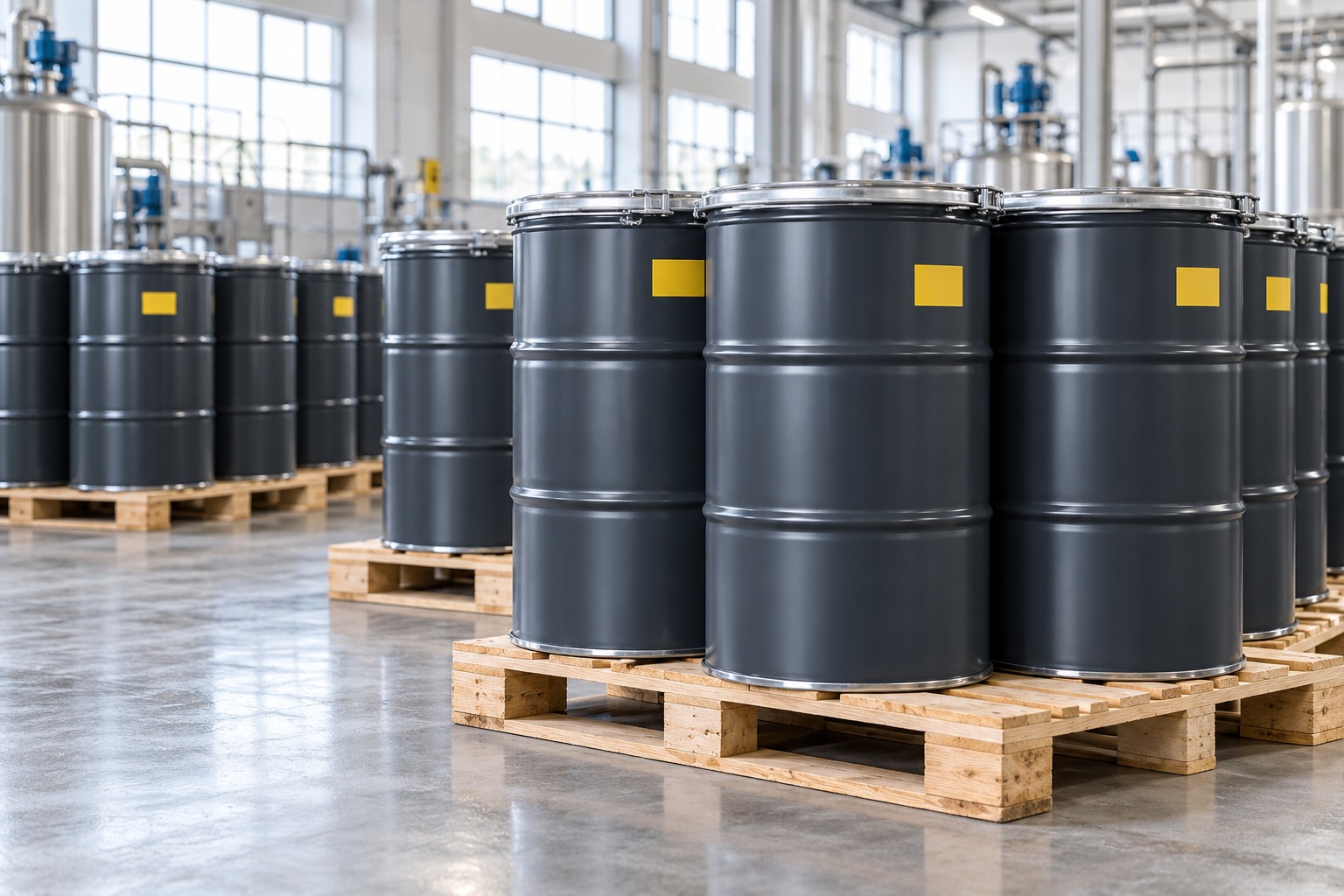
Custom Corrosion Inhibitor Formulation & Bulk Supply
Discuss your manufacturing and supply brief with LANVITO. The factory was established in 2012 and is located in Weifang, Shandong, China.
01 · Define the Brief
Share the application, evaluation requirements, destination market and expected quantities.
02 · Review the Proposal
Confirm the candidate formulation, sample arrangements, documentation and agreed acceptance criteria.
03 · Agree Supply Details
Confirm packaging, labeling, quantity, delivery scope and commercial terms.
What Affects the Quotation?
Compare offers on the same formulation, concentration basis, packaging, quantity and delivery scope. Request the proposed MOQ, lead time and available TDS, SDS and batch documentation for the exact product.
Corrosion Inhibitor Manufacturing FAQs
Start with fluid chemistry, metallurgy, operating conditions and the corrosion-control objective. Agree representative evaluation conditions and supporting evidence before choosing a formulation.
They describe different properties. Water-soluble describes solubility; film-forming describes a mechanism. A formulation can have both characteristics.
Combined use requires compatibility review for the actual products and conditions. Check whether the treatment affects separation, foaming or other process requirements.
No. Determine the proposed dosage from the formulation, system conditions, treatment method and evaluation results, then verify performance through appropriate monitoring.
Include the relevant gas and operating data in your brief. Suitability and any performance claim require evidence for the proposed formulation and defined conditions.
Share the application, fluid and water data, materials, operating conditions, required evidence, quantity, packaging, destination and delivery timing. Request available technical documents and sample arrangements.
START WITH YOUR SYSTEM
Discuss Your Corrosion Control Requirements
Send your operating conditions and purchasing brief for technical and commercial review.